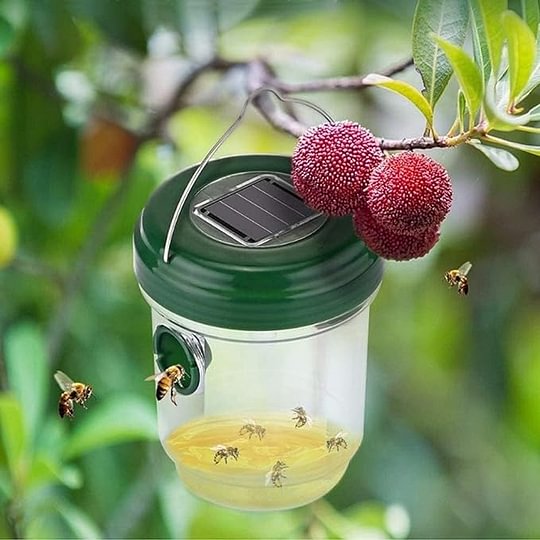
Buzz Off: The Ultimate Guide to Crafting Your Own Wooden Carpenter Bee Traps


As spring blooms and the weather warms up, many outdoor enthusiasts find themselves enjoying their gardens and woodwork. However, this season also brings the unwelcome return of carpenter bees, notorious for their destructive tunneling in wooden structures. These buzzing invaders can cause significant damage if left unchecked, making it essential for homeowners and DIY lovers to take action. One effective and eco-friendly solution is to craft your own wooden carpenter bee traps, allowing you to manage these pests without the need for harmful chemicals.
Building your own trap not only helps protect your property but can also be a rewarding project. With some basic woodworking skills and materials, you can create a simple yet effective device that lures and captures carpenter bees. This guide will walk you through the essential steps and tips needed to design and construct your very own wooden carpenter bee traps, giving you the tools to keep these pests at bay while enjoying your outdoor space.
Materials Needed
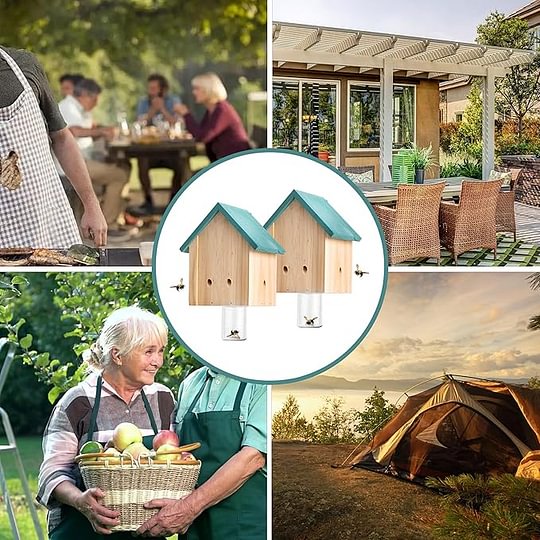
To create effective wooden carpenter bee traps, you will need several essential materials. Start with untreated wood, such as pine or cedar, which will serve as the main structure of your trap. Untreated wood is crucial because it does not contain harmful chemicals that could deter bees. Ensure you have enough wood to cut out the necessary pieces for the body of the trap, the entrance holes, and the collection chamber.
Next, gather some basic tools that will help you assemble your trap. A saw for cutting the wood, a drill for making entrance holes, and screws for securing the pieces together are all necessary. Additionally, you may want sandpaper to smooth out any rough edges on the wood, ensuring that there are no splinters that could harm the bees. If you desire more aesthetics or protection for your trap, consider wood glue or a wood finish that is non-toxic and safe for the bees.
Finally, to enhance the trap's effectiveness, you may want to include some bait materials. A few options include sweet scents like almond extract or some type of fruit juice. https://www.carpenterbeetraps.shop/ attract the carpenter bees, increasing the chances of them entering the trap. Keep in mind to secure these bait materials within the trap in a way that makes it easy for bees to be drawn in but difficult for them to escape.
Step-by-Step Instructions
Begin by gathering all necessary materials for your wooden carpenter bee trap. You will need untreated wood, a drill, wood screws, a saw, and some non-toxic paint or wood sealant if you desire a finished look. Additionally, having a ruler and a pencil on hand will help you measure and mark your cuts accurately.
Next, cut the wood into the appropriate dimensions for the trap. The basic design typically includes a base, a roof, and walls that contain entry holes for the bees. Ensure that the holes are around one inch in diameter and spaced approximately two inches apart. After you have cut all the pieces, assemble them using wood screws to securely hold the structure together. Make sure the trap is sturdy and can withstand outdoor conditions.
Finally, place the trap in an area where you have noticed carpenter bee activity. Choose a sunny spot and hang the trap at least three feet above the ground. You can paint or seal the wood to match its surroundings and improve durability. Regularly check the trap to monitor its effectiveness and clear out any trapped bees to ensure it continues to work efficiently.
Tips for Effective Use
To maximize the effectiveness of your wooden carpenter bee traps, placement is key. Position your traps in areas where carpenter bees are most active, typically near wood structures, such as eaves, decks, or fences. A height of about five to six feet off the ground is ideal, as it mimics natural nesting sites. Ensure that the traps are placed in sunny locations, as carpenter bees prefer warm areas for foraging and nesting.
Regular maintenance is crucial for keeping your traps working efficiently. Inspect the traps weekly to check for captured bees and debris. Clean out any trapped bees to prevent odors and potential mold. If the trap becomes too full, it may lose effectiveness, so it is important to empty it regularly to maintain optimal function. Additionally, consider adding scent attractants, like a few drops of essential oils, to enhance the trap's allure.
Lastly, patience is important when using your wooden carpenter bee traps. It may take some time for the traps to begin working, especially if carpenter bees are not immediately present in your area. Give your traps a few weeks during the peak season to attract the bees. In the meantime, continue to monitor their activity and adjust the placement if necessary to optimize your chances of capturing them.